What is a Biosurfactant?
Biosurfactants are sustainable, biodegradable alternatives to traditional surfactants used in cosmetics, cleaning products, and industrial applications.
What is a Biosurfactant?
Nature's own surface-active molecules - powerful amphiphilic compounds produced by microorganisms that dramatically reduce surface tension between liquids and solids.
Biosurfactants are used in sustainable chemistry because they can replace petroleum-based surfactants in a wide range of products. They are often valued for their biodegradability, lower toxicity, and strong performance in formulations.
Key Features
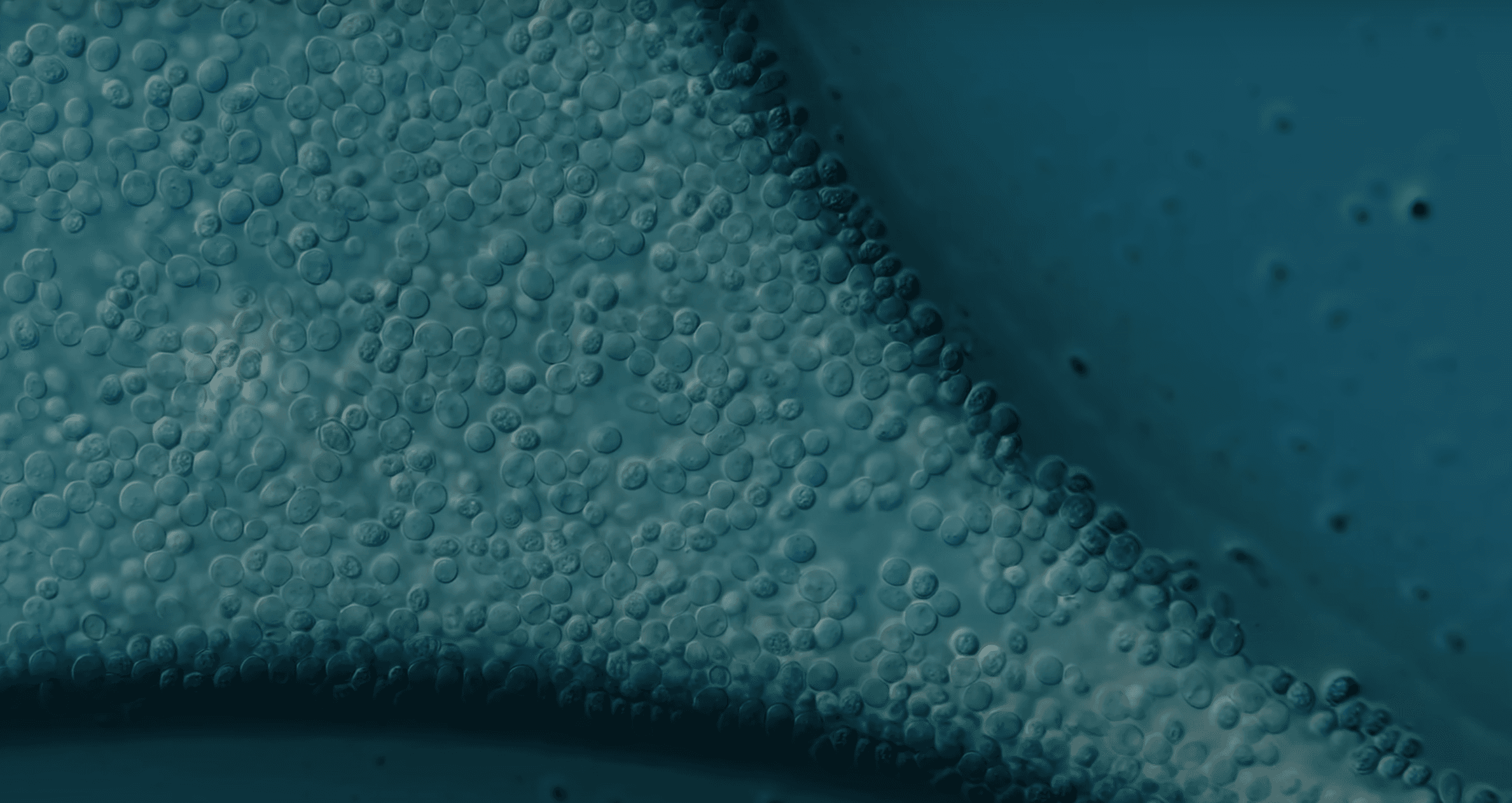
Produced naturally by microorganisms like bacteria and yeast
Composed of hydrophilic sugar head and hydrophobic lipid tail
Self-assemble at interfaces to reduce surface tension
Biodegradable and non-toxic to aquatic life
Biosurfactants vs Synthetic Surfactants
See how nature's surface-active molecules compare to petroleum-based alternatives
Biosurfactants
100% Biodegradable
Completely breaks down in natural environments
Non-toxic
Safe for aquatic and terrestrial life
Renewable Source
Produced from sustainable feedstocks
Superior Performance
Better wetting and emulsification properties
Synthetic Surfactants
Persistent Pollution
Takes decades to break down in environment
Toxic to Aquatic Life
Causes bioaccumulation and ecosystem damage
Fossil Fuel Based
Derived from non-renewable petroleum
Environmental Impact
Contributes to water pollution and climate change
Why are biosurfactants important?
Biosurfactants are gaining attention because industries are looking for more sustainable ingredients with lower environmental impact. They can support innovation in personal care, home care, and industrial formulations.
Where are biosurfactants used?
Common applications include cosmetics, cleaning products, agriculture, and industrial processes where wetting, emulsifying, or dispersing properties are needed.