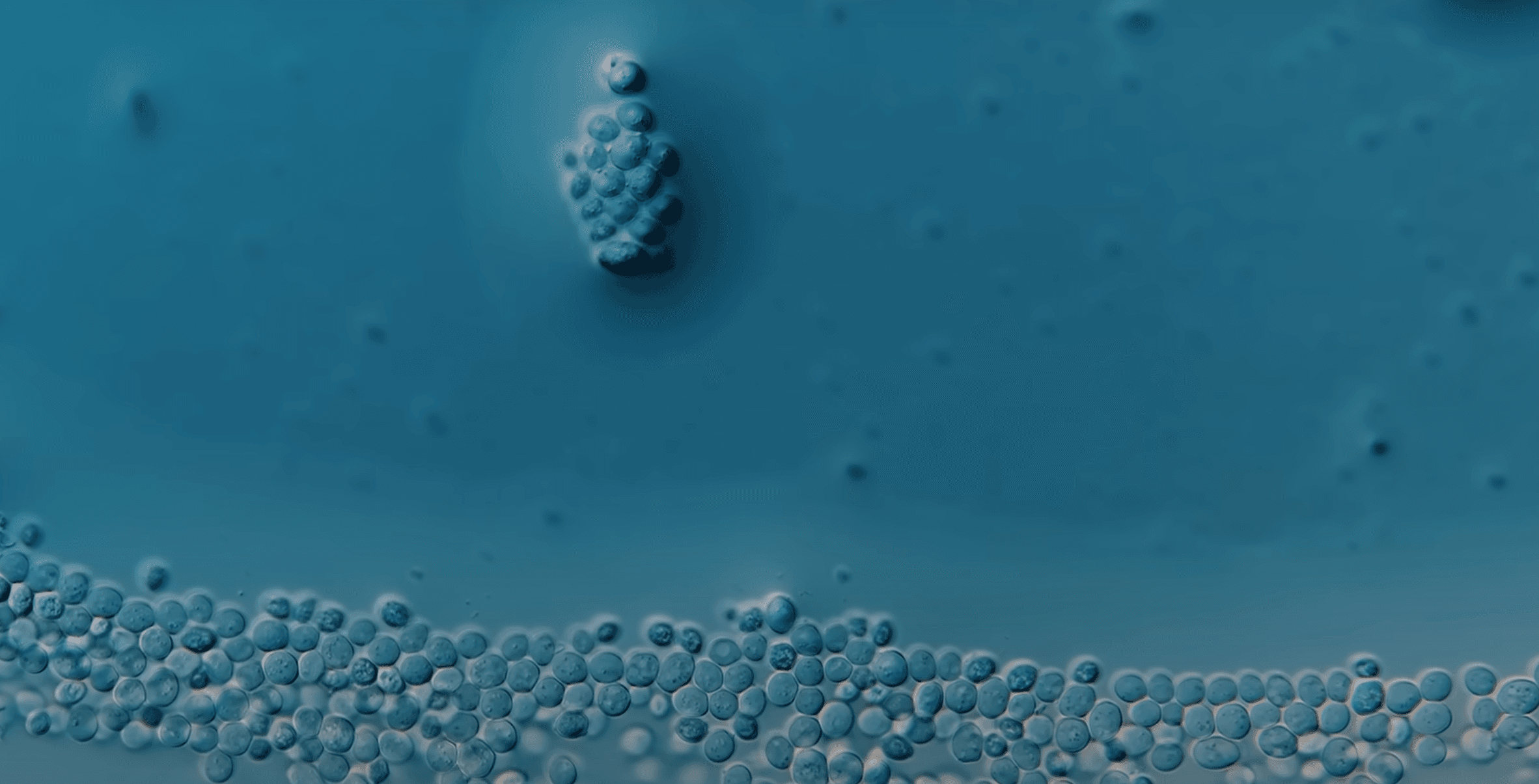
Environmental impact visualization showing sustainability metrics and circular economy benefits

The Surfactant Crisis

Traditional synthetic surfactants are creating an environmental emergency. It's time for a sustainable alternative that actually works.

The Hidden Environmental Cost

Synthetic surfactants are everywhere - in your shampoo, laundry detergent, and industrial cleaners. But their environmental impact is staggering.

~0 million
Tonnes Annually

Synthetic surfactants released into the environment every year

~0%
Petroleum-Based

Of global surfactant production relies on fossil fuel feedstocks

~0 million
Tonnes CO₂

Total CO₂ released by surfactant production every year

Human Health at Risk

Synthetic surfactants pose serious health risks through direct contact and environmental exposure

35-45%
Report skin irritation from SLS/LAS products, especially with repeated contact
90%
Of surface and groundwater samples in urban regions contaminated
50+
Chlorinated byproducts when mixed with disinfectants, some are carcinogens
95%
Of human breast milk samples contain persistent surfactant metabolites

Aquatic Ecosystems Under Threat

Synthetic surfactants are devastating marine and freshwater environments

90%
Synthetic surfactants found in surface waters near urban areas
0.1 mg/L
Concentration inhibiting photosynthesis in aquatic plants and microalgae
0.5 mg/L
Chronic exposure causing gill damage and reproductive toxicity in fish
40-60%
Reduction in microbial diversity in river sediments

Climate Crisis Acceleration

Petroleum-based production is fueling global warming

6-10 MJ/kg
Energy required, 3× higher than bio-based alternatives
14M+ tons
Crude oil consumed annually to make surfactants
70M tons CO₂
Total CO₂ released by surfactant production each year
60%
Resist full biodegradation, persisting for months

Impact by Numbers

Real-time metrics demonstrating our environmental performance and contribution to industry sustainability goals.

0%
Sustainable Feedstocks

Renewable waste oils transformed into valuable biosurfactants

0x
Less Toxic to Aquatic Life

compared to traditional surfactants

0.0
Tonnes CO₂-eq saved

per tonne biosurfactant produced